HOUSING PROJECT
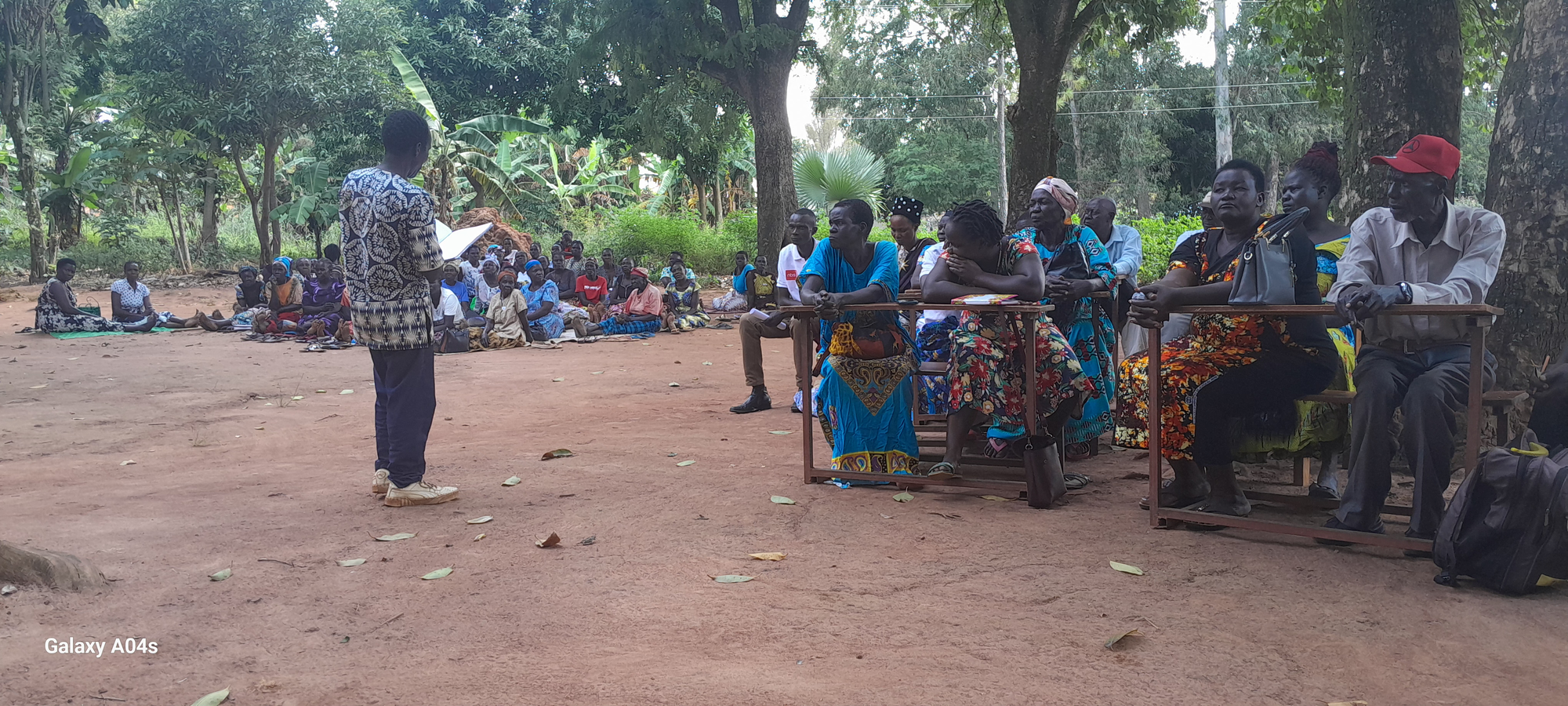
Community members gathered to discuss their identified needs, which is to be addressed by supportive individuals and organizations article.
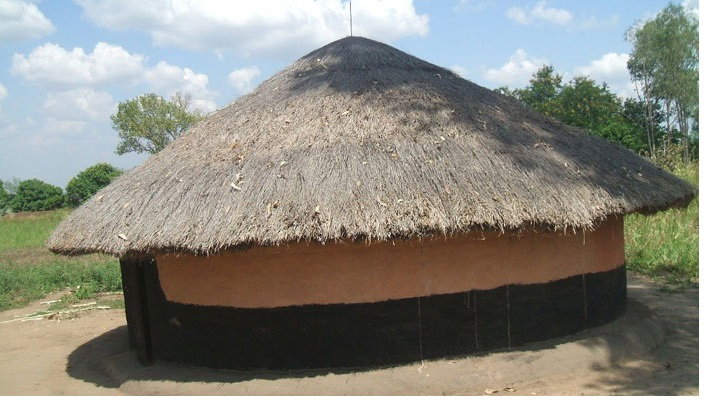
Given the history of the war in northern Uganda, which was fought between the government of Uganda and the Lord’s Resistance Army (LRA) led by Joseph Kony, ended in 2004. The war lasted for nearly 16 years. And was marked by human rights abuses, displacement of people, and destruction of infrastructure and the social fabric of the Acholi society.
The subsequent displacement and lack of proper shelter have further exacerbated the vulnerability of these communities. Since 1986, some people took over 20 years to go back to their homes.
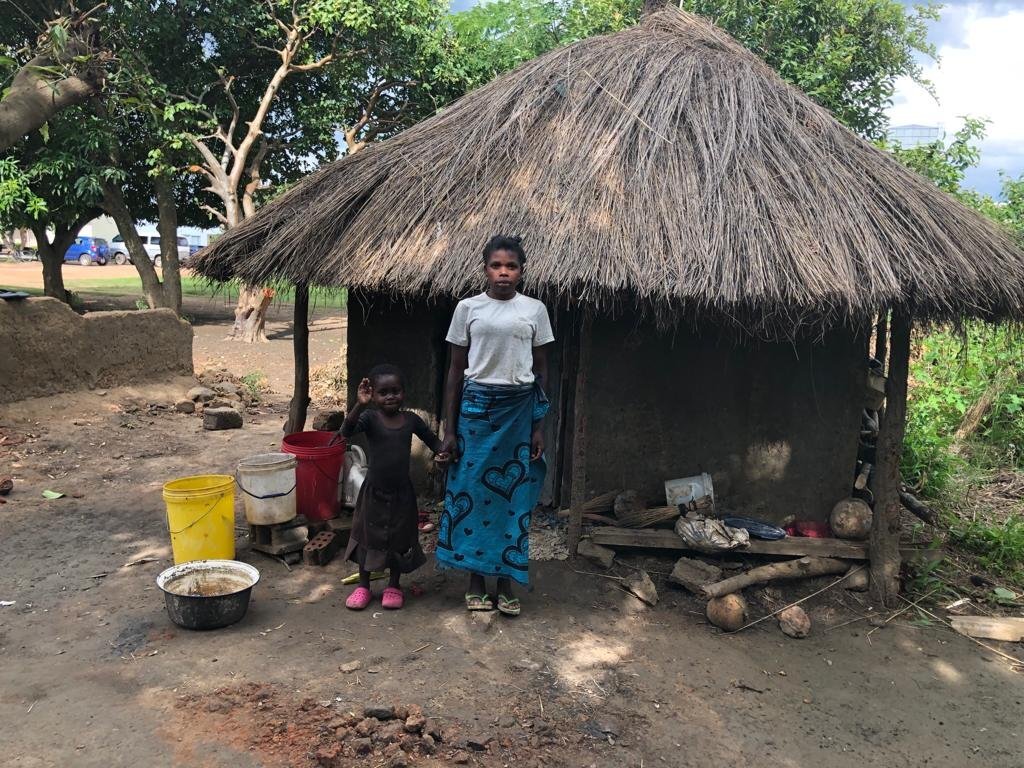
Many families still lack proper shelter after returning home from the camps, and housing is a top priority. In fact, having a clean and safe house is crucial for these families to protect themselves from the spread of COVID-19, Red Eye disease etc...
The community’s current focus on basic infrastructure like housing that reflects their immediate needs and priorities. Structures that can withstand the test of time and provide a sense of security and stability For instance, consider a family of 7 or more living in a small, grass-thatched house with a roof that’s on the verge of collapse. The slightest strong rain and wind could lead to a devastating disaster, leaving them homeless and vulnerable.
This is precisely why they have come together to prioritize building a safe and secure house, a place where they can find refuge and dignity. By supporting of this housing project, it is providing a lifeline to families like this, who are desperate for a decent place to call home.
A 4-room permanent structure made from burnt bricks, cement, and pit sand will provide a solid foundation for the families.
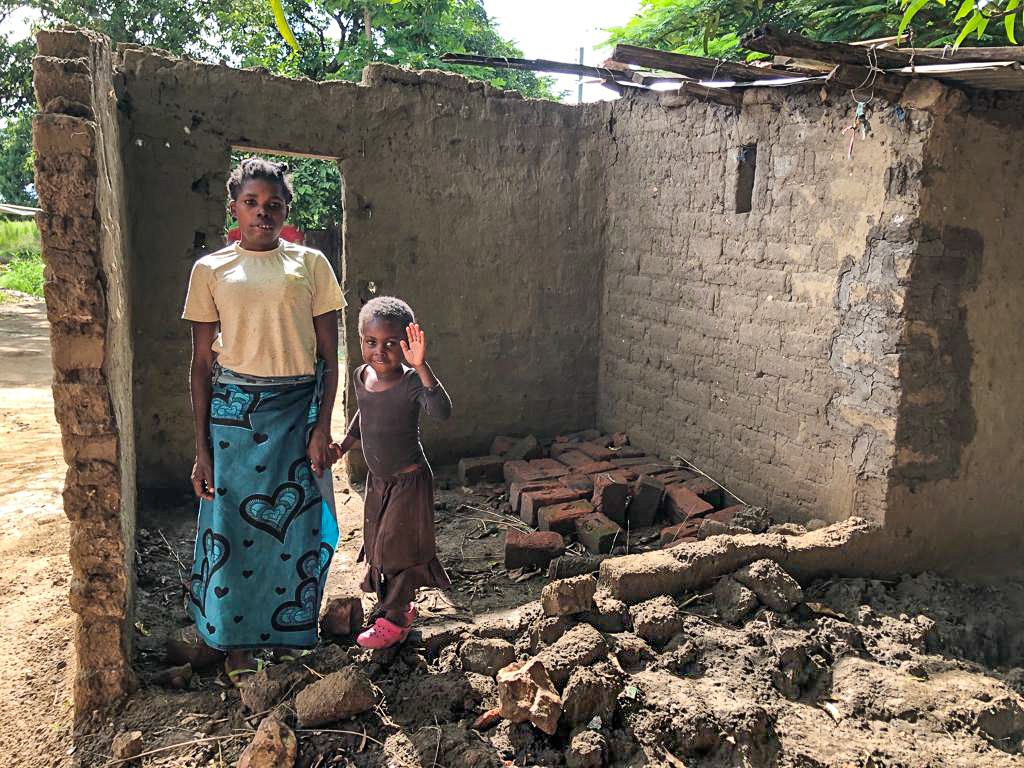
This houses are be constructed to individual in the community for over 1000 members
The importance or impact of the housing project to the community when it is being supported
Impact of the housing project
- *Housing for over 1000 community members*: Provides secure and comfortable housing for a large number of individuals and families, addressing housing needs and improving living conditions.
- *Improved quality of life*: Enhances overall well-being, health, and happiness for community members, creating a positive impact on their lives.
- *Community cohesion*: Fosters a sense of community and belonging among residents, promoting social connections and relationships.
- *Economic benefits*: Generates employment opportunities, stimulates local economic growth, and increases property values.
- *Reduced poverty and inequality*: Addresses housing disparities, providing affordable housing options and promoting social equity.
- *Increased access to services*: Enhances access to essential services like healthcare, education, and transportation, improving overall quality of life.
- *Community development*: Contributes to the development of a thriving community, fostering social, economic, and cultural growth.
- *Sense of ownership and pride*: Empowers community members with a sense of ownership and pride in their homes, encouraging community engagement.
- *Reduced crime rates*: Improves community safety, reducing crime rates and creating a more secure environment.
- *Long-term sustainability*: Provides a long-term solution to housing needs, ensuring a sustainable and stable community for future generations.
- *Community engagement and participation*: Encourages community involvement in decision-making processes, promoting collective ownership and responsibility.
- *Cultural preservation*: Preserves community culture and heritage, promoting diversity and inclusivity.
- *Disaster resilience*: Provides safe and resilient housing, protecting residents from natural disasters and climate change impacts.
- *Improved health outcomes*: Enhances health and well-being by providing safe, secure, and healthy living conditions.
- *Intergenerational benefits*: Benefits not only current community members but also future generations, creating a lasting
Presented by: Raphael Ongom